by Rhoden Roofing | May 28, 2026
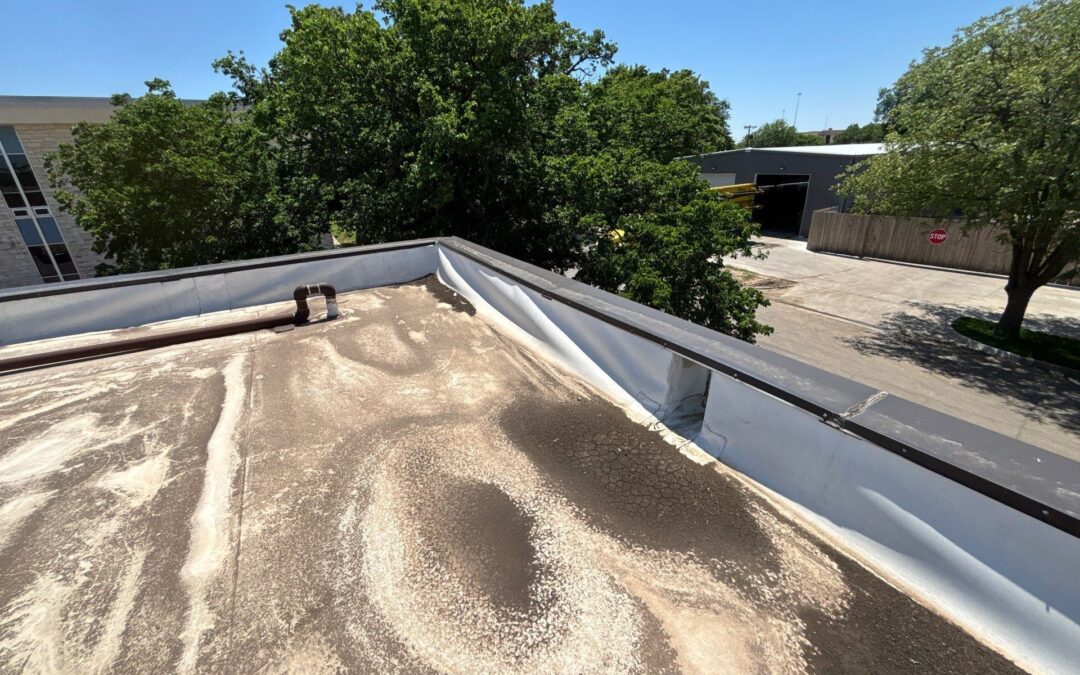
What Does Bridging Mean in Roofing? Bridging is typically seen at roof-to-wall transitions on low-slope membrane roofs, where the roofing material changes direction from horizontal to vertical. Instead of following the shape of the surface below it, the membrane...

by Rhoden Roofing | Jun 16, 2026
How Cold Welds Occur Cold welds occur in heat-welded membrane roofs such as TPO and PVCPrimary Roof Covering – PVC (polyvinyl chloride) is a heat-weldable single-ply roof membrane used on low-slope roofs, particularly on buildings where grease, oils, or other...

by Rhoden Roofing | Jun 16, 2026
What Does Degranulation Mean for a Roof Granules are the outer shield of asphalt roofing products. They protect the asphalt layer underneath from sun exposure and physical wear. Because granules serve as an asphalt roof’s protective outer layer, the extent of...
by Rhoden Roofing | Jun 30, 2026
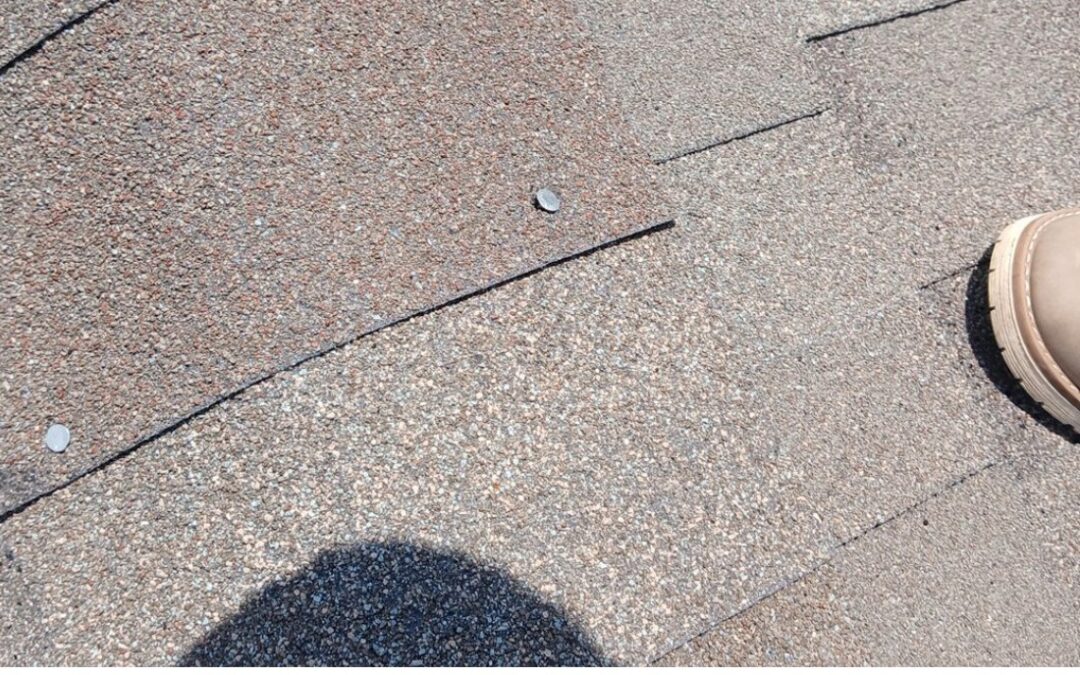
Why Exposed Fasteners Matter Most fasteners on shingle roofs are protected under the next course of shingles. When a fastener remains visible, such as on base flashing or on ridge caps, it depends on sealant instead of overlap to protect it. Most fasteners pass...

by Rhoden Roofing | Mar 18, 2026
What Causes Ponding Water on Low-Slope Roofs Ponding water most commonly appears on flat or low-slope commercial roofs after heavy rainfall. Because these roofs are designed with minimal pitch, water can collect in low areas if slope is insufficient or water’s path to...