by Rhoden Roofing | Jun 30, 2026
How Balanced Attic Ventilation Works Balanced attic ventilation depends on two parts of the same system: intake and exhaust. Intake vents near the eaves draw cooler outside air into the attic. As that air enters, it helps push warmer attic air that naturally rises out...
by Rhoden Roofing | Jun 30, 2026
How Passive Ventilation Moves Air Through the Attic Passive attic ventilation is the most common form of attic ventilation, especially in traditional open attic spaces. Air moves through openings in the roof system because warm air rises and wind creates pressure...
by Rhoden Roofing | May 27, 2026
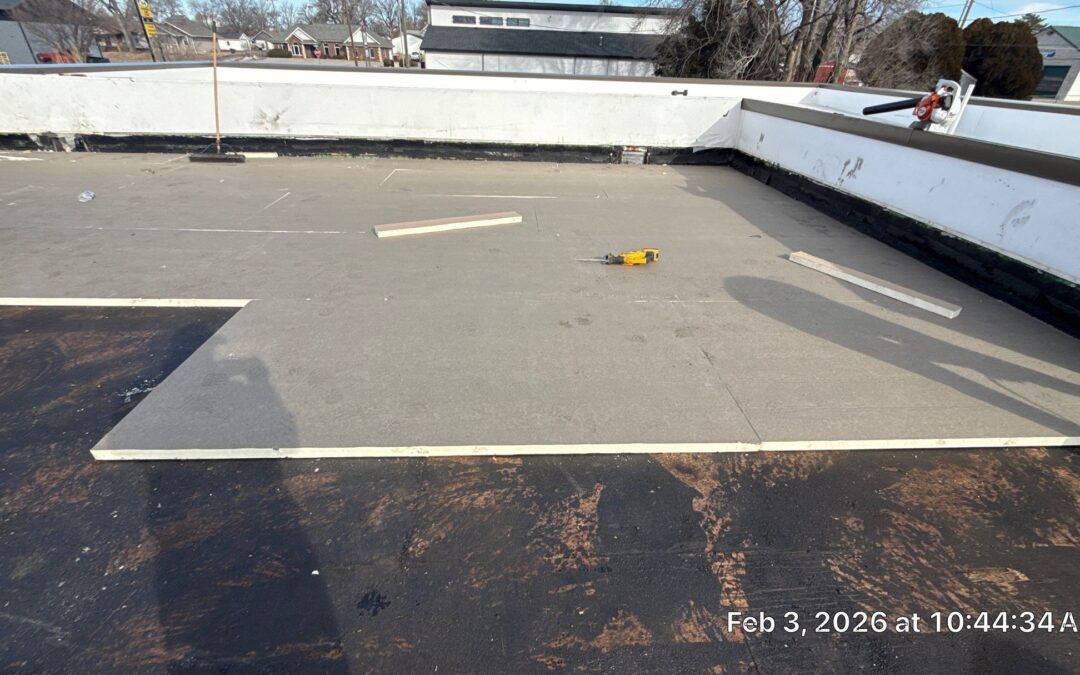
Why R-Value Matters in Roofing R-value is most often referenced when discussing insulation in a roof system, especially on low-slope commercial roofs. Heat moves from warmer areas toward cooler areas, and insulation slows that movement. The higher the R-value, the...

by Rhoden Roofing | May 28, 2026
What Is Thermal Bridging in Roofing? Thermal bridging is typically discussed with metal fasteners, roof curbs and other components that allow heat to bypass part of the insulated roof assembly. Heat naturally follows paths with less resistance, like water finding the...
by Rhoden Roofing | Mar 18, 2026
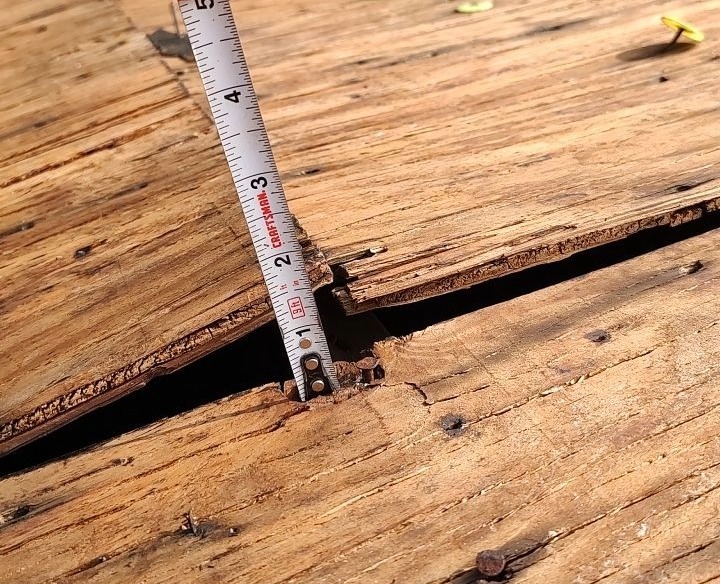
How Thermal MovementBuilding Science - Thermal expansion is the movement of roofing materials as they expand when heated and contract when cooled. More Affects Roofing Thermal movement is most noticeable on materials like metal panels, flashing, and long...