
Why Are Pull Tests Performed
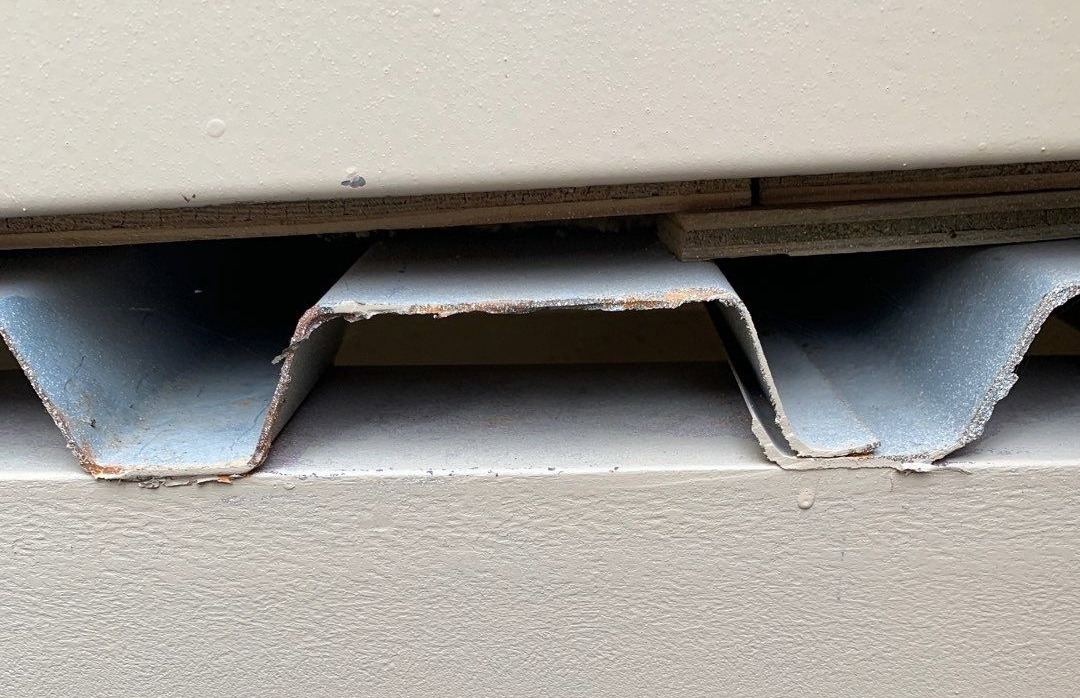
Pull tests are commonly performed on low-slope commercial roofs before installing a mechanically attached roof systemRoof Types - A roof system (roof assembly) is the entire series of roofing layers and components above the roof deck that work together to weatherproof the building. Read full article over a metal deck. The deck’s gauge, age, and condition directly affect how well fasteners hold, and that holding strength determines whether the roof can meet wind ratings and No Dollar Limit (NDL) warranty requirements.
During retrofit or layoverInstallation – A layover (recover or overlay) is a method of installing a new roof membrane over an existing roof system without removing the existing roof. Read full article projects, manufacturers may also require adhesion testing to verify that adhesives will bond properly to the existing substrate or membranePrimary Roof Covering - A single-ply membrane is a roof covering that uses one continuous layer of material to waterproof low-slope roofs. Read full article. Both types of testing confirm whether the planned attachment method will perform as intended.
Unlike published material data, pull test results reflect the actual conditions on a specific building. If results do not meet required thresholds, adjustments may be necessary, such as increasing fastener density or modifying the attachment method.
Pull tests are most common during retrofit projects, where the strength of an existing deck must be verified before the intended warranty and wind rating are provided.